Wildlife & flora
Five regional ecosystems and a tidal saltwater estuary inside one boundary — which is why the species list here runs as long as it does.
The lions
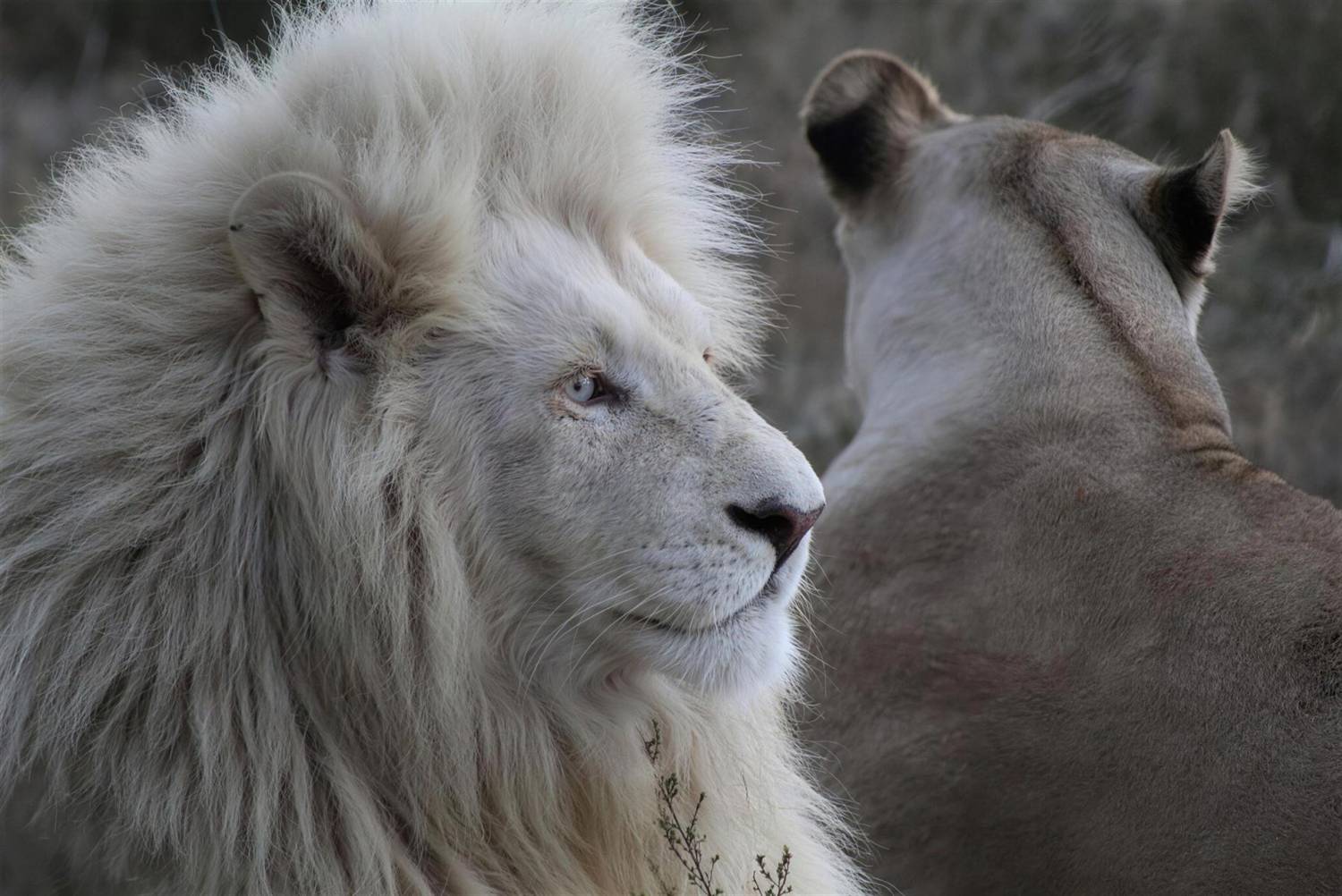
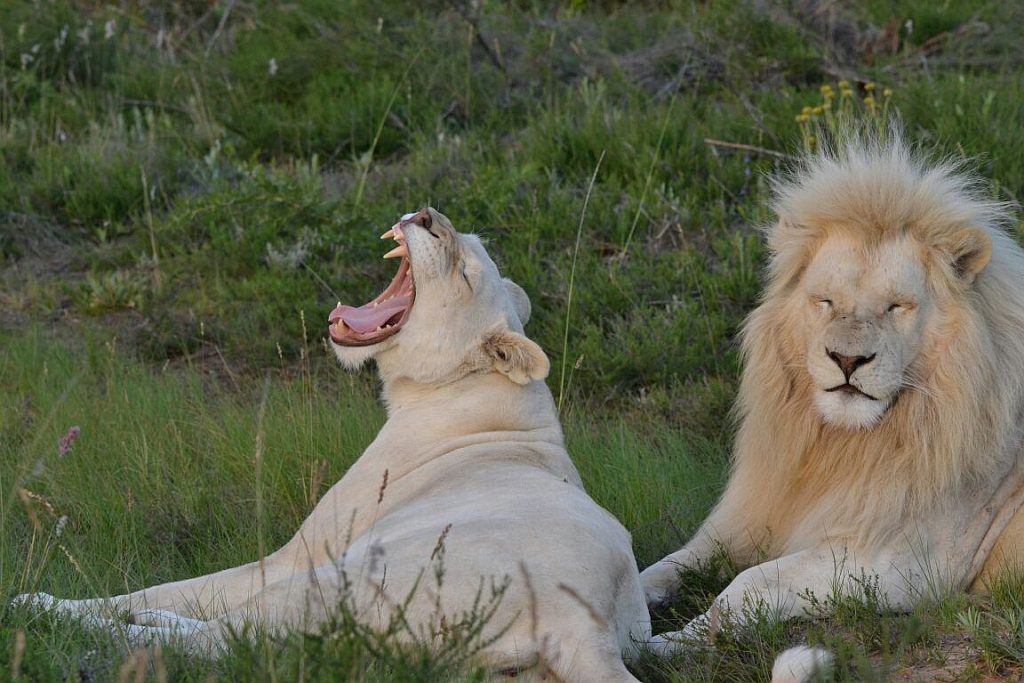
Genuine, and rare, white lions.
Their colouring comes from a recessive gene — the same mechanism that produces a blue-eyed child to brown-eyed parents. They are not albino and they are not bred for the camera. There are very few places you can see them at all.
Alongside them the reserve holds four of the Big Five: lion, leopard, buffalo and white rhino, plus giraffe and nyala across the grassland.
- 286
- Bird species recorded
- 4
- Of the Big Five
- 5
- Biomes, plus a tidal estuary
- 300+
- Umtiza trees in one hectare
Birdlife
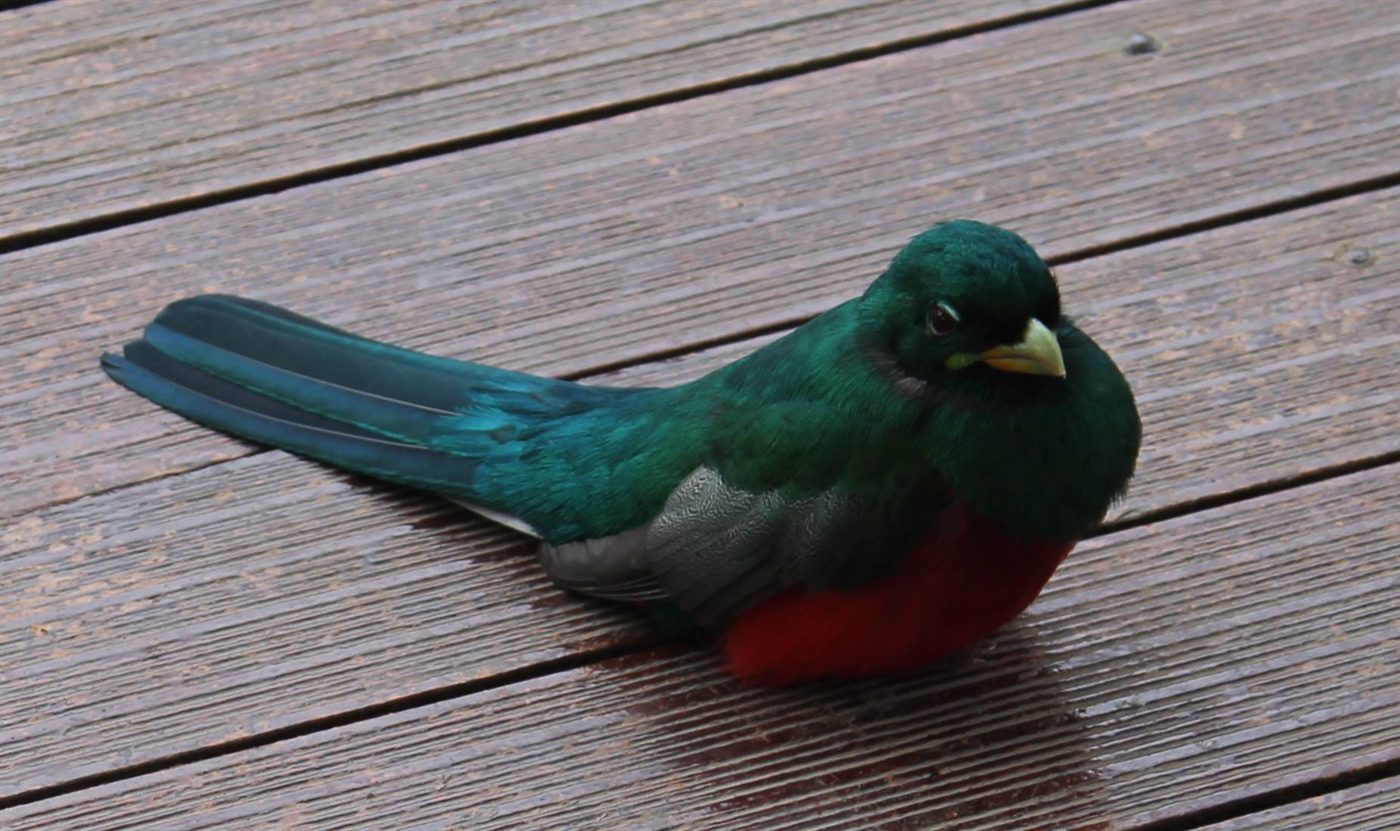
Two hundred and eighty-six species.
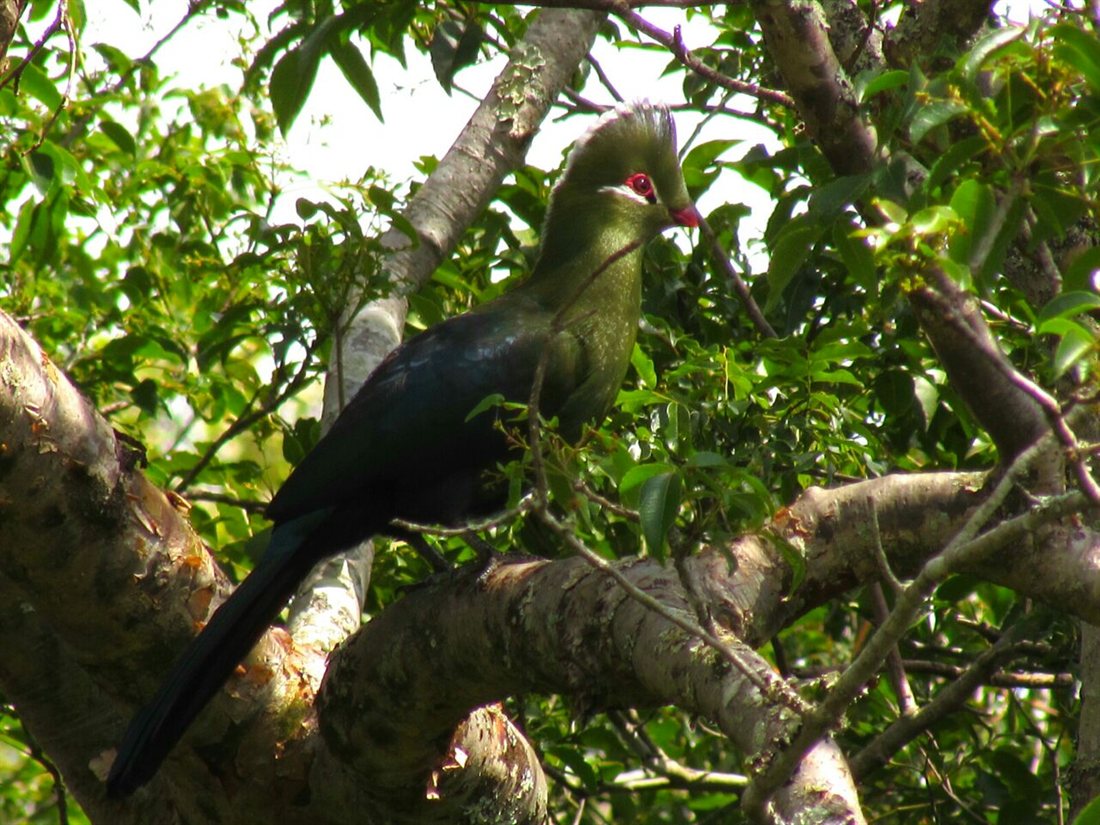
Grassland, forest, coast and estuary in one place means the bird list is unusually long for a reserve this size. These two are the ones people come hoping for.
The forest
Umtiza listeriana, and a moth that eats cycads.
The reserve holds the second-largest population of Umtiza listeriana in South Africa — more than 300 trees in a single hectare. The species belongs to the legume family and grows almost nowhere else.
The forest also supports one of only four known populations of Veniliodes setinata, a Geometridae moth whose larvae feed on cycads — here, on Stangeria eriopus. Two rarities depending on each other in the same hectare.
Walk the Umtiza forest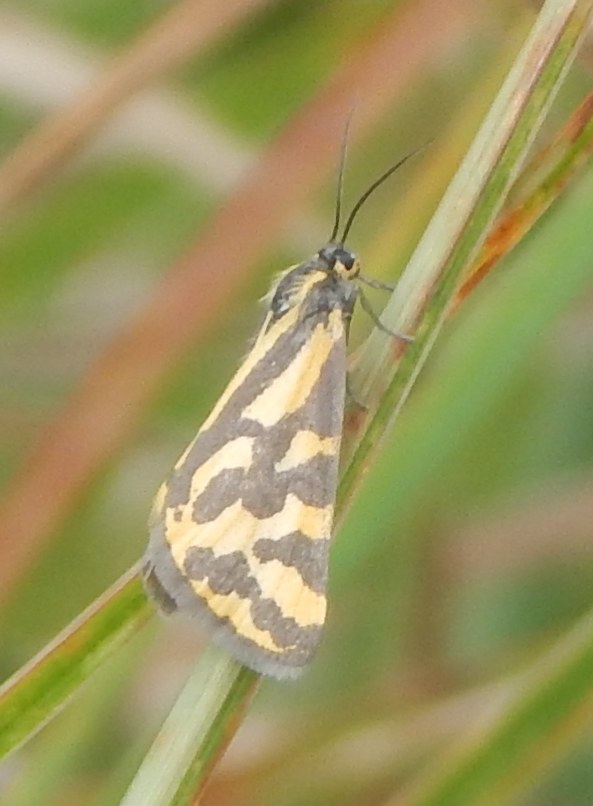
Veniliodes setinata — one of four known populations.
And off the coast
Whales, and the sardine run.
The reserve fronts the Indian Ocean. In season you can watch whales breaching from the higher ground, and the coast here sits on the path of the sardine run.
Select any photograph to view it larger. Use the arrow keys to move between them.
See it yourself
A drive, or an hour on foot.
The game drive covers the lion reserve. The forest walk covers the rest.